
WASHINGTON — September 26, 2026 — The fight over nearly $1 billion in federal spending is being framed around money for refugees and vulnerable migrant children. But the White House action goes deeper than one category of aid, targeting a wider network of immigration-related services as the Trump administration argues that a dramatic change at the border has changed what Washington should continue funding.
The administration’s central argument is straightforward: fewer illegal border crossings mean the federal government should no longer maintain parts of the immigration-support system at their previous scale.
That distinction matters. The nearly $1 billion is not a single pot of money reserved entirely for refugee children. It covers multiple domestic programs, with immigrant services — including organizations working with refugees and unaccompanied minors — representing a major focus of the reductions.
What Is the White House Really Targeting?
Behind the headline number sits the central answer: the administration is trying to shrink the federally funded infrastructure surrounding refugees, immigrants and unaccompanied minors.
That includes money flowing to nonprofit organizations providing services to refugees and migrant children. The administration argues that these programs were built to handle a level of migration that no longer exists under current border conditions.
In other words, the clawback is not being presented by the White House simply as a decision to take money away from children. It is part of a larger attempt to reduce federal support for organizations and programs associated with processing, sheltering and assisting immigrant populations.
The administration has also drawn attention to the leadership and policy history of some organizations receiving federal money, reinforcing that this fight is about more than balancing a spreadsheet. It reflects a broader disagreement over which organizations should continue receiving taxpayer support.
Why Refugee Children Became the Flashpoint
Programs involving children make the dispute especially politically sensitive.
Unaccompanied minors who enter the United States can require temporary shelter and government-supervised care while officials determine where they can safely be placed. Refugee organizations, meanwhile, provide services ranging from initial resettlement assistance to help navigating life after arrival.
The Trump administration’s position is that the scale of that infrastructure should follow the number of people entering the system. With illegal crossings substantially lower, it argues that maintaining earlier spending levels would preserve capacity Washington no longer needs.
Critics see a different danger: once organizations lose federal support, rebuilding that capacity could be difficult if migration rises again.
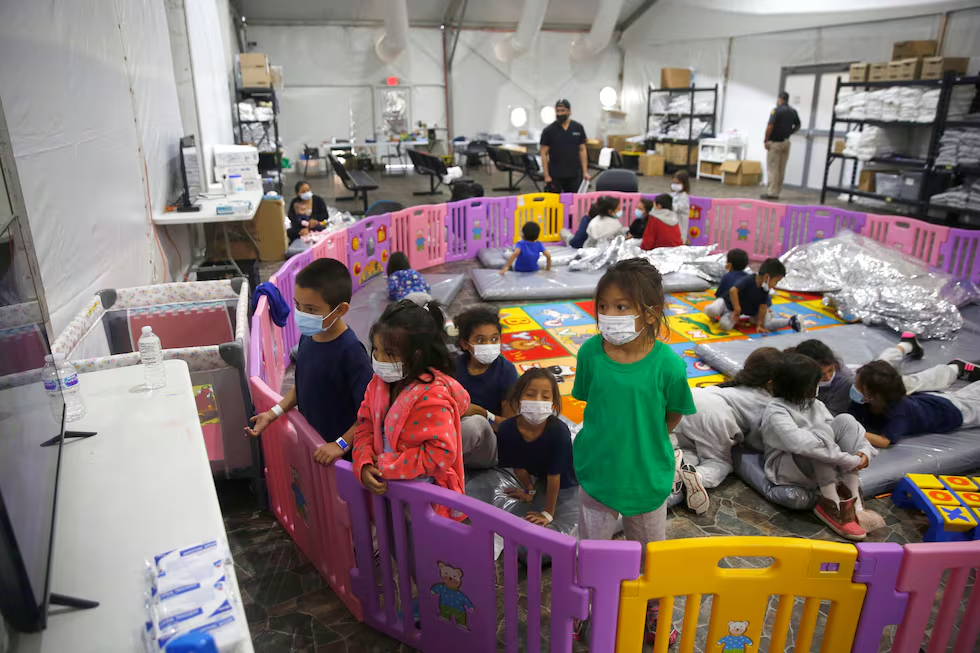
The dispute is therefore not merely over how much Washington spends. It is over how much of the existing immigration-support structure should remain in place at all.
Why the $1 Billion Move Sparked Bipartisan Anger
There is another reason this story has exploded in Washington: Congress had already approved the money.
The administration moved only days before the end of the fiscal year, using a disputed maneuver often called a pocket rescission. Because the budget authority is close to expiring, lawmakers have little practical time to reverse the cancellations through the normal congressional process.
That has turned an immigration fight into a constitutional spending battle.
Republican Sen. Susan Collins, chair of the Senate Appropriations Committee, joined the criticism, arguing that an executive-branch budget office cannot simply determine which congressionally approved programs deserve funding.
The Real Story Behind the Clawback
So what was the White House actually trying to target?
Not a standalone $1 billion fund for refugee children.
The action targets a broader collection of domestic programs, with federal support for immigrant services, refugee organizations and programs involving unaccompanied minors forming a central part of the reductions. The administration says lower border crossings have made portions of that system unnecessary and that taxpayer money should no longer sustain them at their previous scale.
That explains the deeper battle hidden behind the headline.
One side sees an opportunity to dismantle government infrastructure it believes has outlived its purpose. Opponents see essential services being stripped away — and question whether the executive branch has the legal authority to cancel money Congress already approved.
The next fight may therefore extend far beyond refugee assistance. At stake is a larger question over who ultimately decides where federal money goes once Congress has already voted to spend it.