
Judicial Misconduct Complaint Targets Obama-Appointed Judge Over Kennedy Center Case
Legal organizations that support President Trump are continuing to fight on his behalf as he faces what they describe as judge-shopping by left-leaning opponents who oppose virtually his entire agenda.
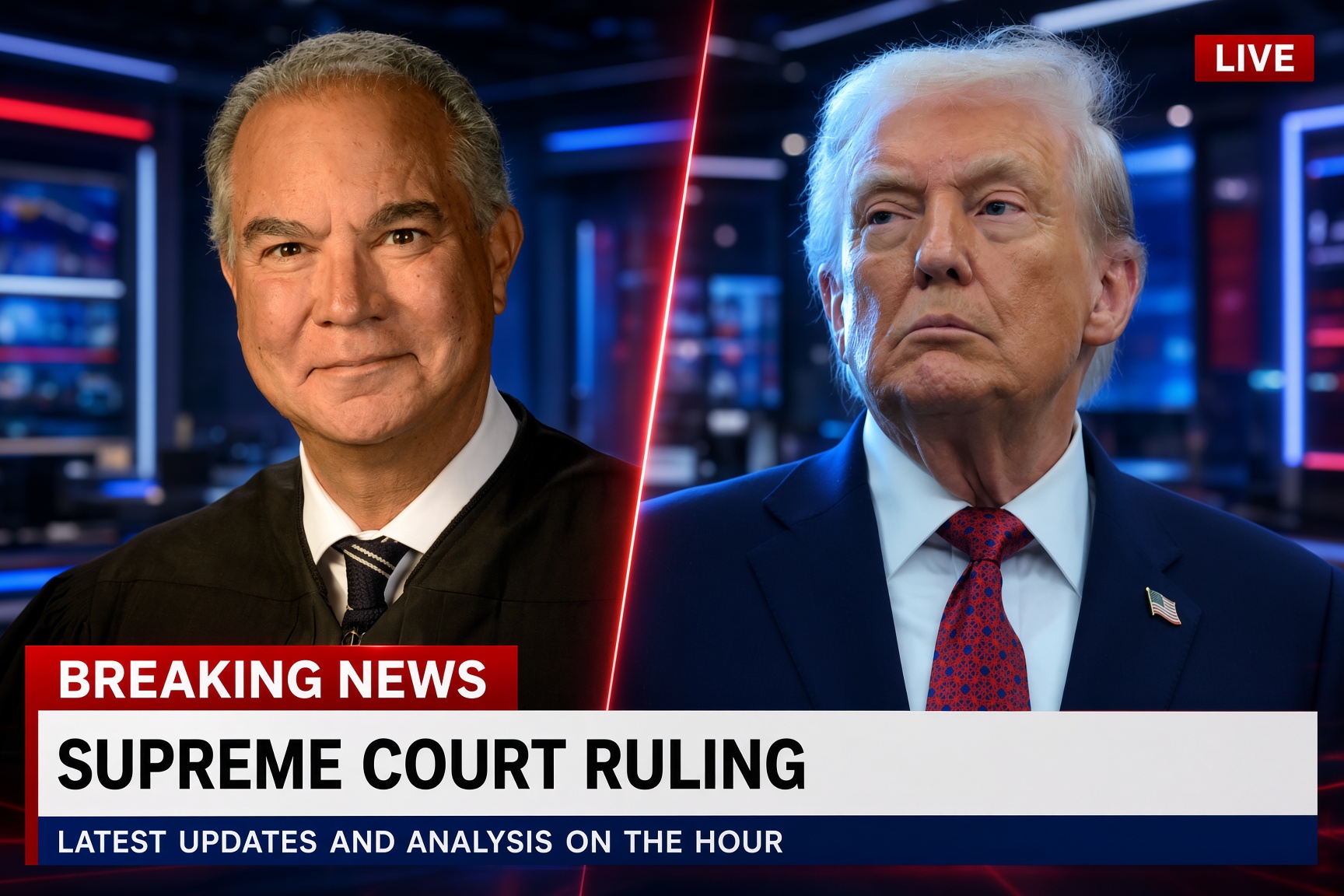
An Obama-appointed federal judge who blocked Trump’s name from appearing on the Kennedy Center is now facing a formal judicial misconduct complaint alleging a potential conflict of interest.
The complaint, filed by a conservative watchdog organization, argues that U.S. District Judge Christopher Cooper should have recused himself from the case because of his wife’s legal work involving prominent Trump opponents.
The group contends that those professional connections created, at minimum, the appearance of a conflict that called Cooper’s impartiality into question.
The dispute began after the Kennedy Center Board of Trustees voted unanimously on December 18, 2025, to rename the Washington, D.C., institution the Trump-Kennedy Center.
Four days later, Democratic Rep. Joyce Beatty of Ohio filed a lawsuit challenging the board’s decision.
On May 29, Cooper permanently blocked the name change, ruling that the Kennedy Center’s board had exceeded its legal authority and that only Congress had the power to formally rename the institution.
The Center to Advance Security in America, or CASA, subsequently filed a judicial misconduct complaint on June 9 with the U.S. Court of Appeals for the District of Columbia Circuit.
CASA argues that Cooper should have disclosed his wife’s professional connections or recused himself from the case because of legal work performed by his wife, attorney Amy Jeffress.
The organization has asked the appeals court to investigate Cooper’s handling of the case and determine whether disciplinary action is warranted under federal judicial conduct rules.
As Fox News reported, CASA Director of Research and Policy Curtis Schube accused Cooper of “potentially unethical behavior” in handling the Kennedy Center lawsuit.
“There was a clear need for Cooper to recuse himself from this matter, or at the very least disclose these conflicts,” Schube said.
“By doing neither, Cooper caused — at the very least — an appearance of impropriety, which warrants a full investigation,” Schube continued.